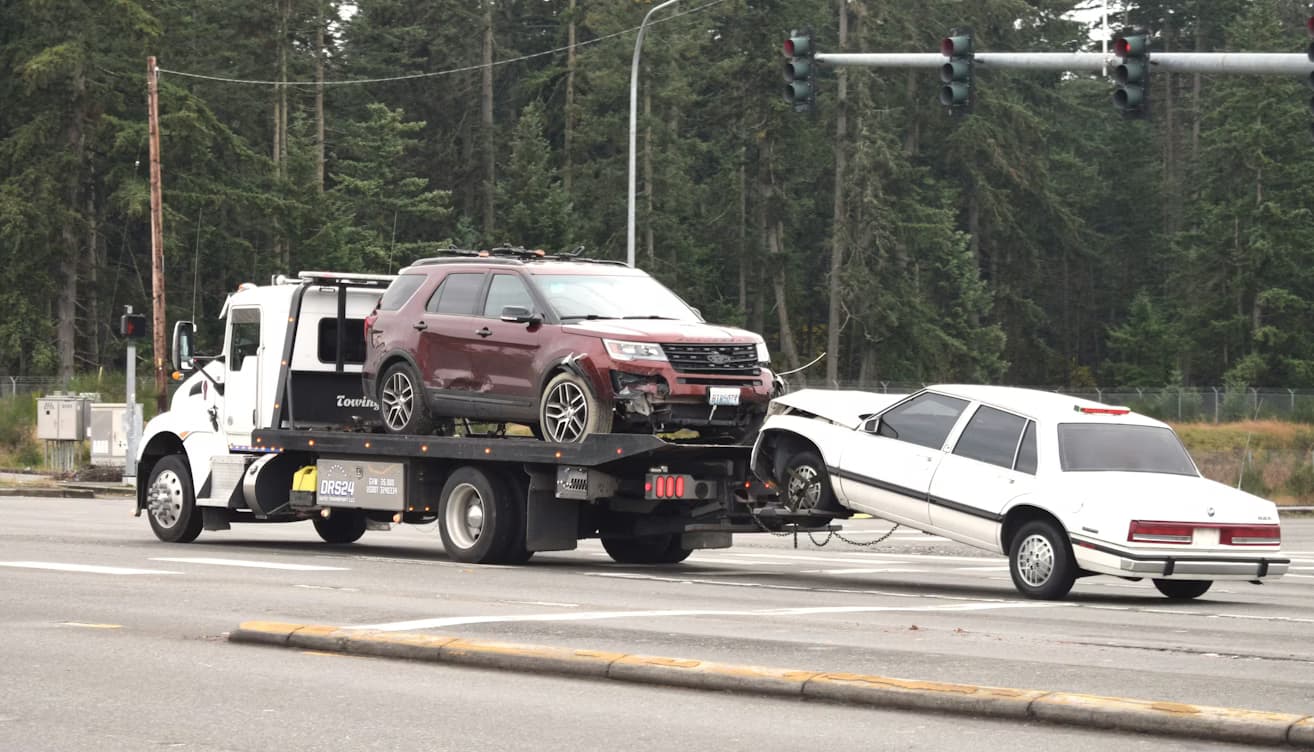
What to Do If Your Car Was Towed in Chicago
Realizing your car was towed is one of the more stressful experiences of Chicago city life. The good news: Chicago has a centralized system for tracking towed vehicles, and if you act quickly, getting your car back is straightforward — if not cheap. Here's what to do if your car was towed in Chicago.
First: confirm your car was actually towed
Before assuming the worst, verify your car wasn't stolen. Call 311 or visit chicagosimplepay.com and use the "Find My Towed Vehicle" tool. Enter your license plate number and it will tell you if your car is in the city's system and which pound it's at.
Chicago's three auto pounds
Chicago operates three auto pounds:
- Lincoln Pound — 3151 N. Rockwell St.
- Ogden Pound — 3345 W. Ogden Ave.
- 103rd Street Pound — 10301 S. Doty Ave.
The online lookup will tell you which one has your vehicle. Pounds are open 7 days a week, typically 8am–10pm, but hours can vary — call ahead.
What it costs to get your car back
Towing fees in Chicago are set by the city:
- Towing fee: $150–$200 depending on the vehicle type
- Daily storage: $10–$20 per day after the first day
- Outstanding tickets: You must pay all outstanding city debt before your car is released
Storage fees accumulate quickly, so retrieve your car as soon as possible.
What to bring to the pound
- Valid driver's license
- Vehicle title or registration
- Proof of insurance
- Payment (cash, credit/debit card — vary by location)
If you're not the registered owner, bring a notarized letter from the owner authorizing you to retrieve the vehicle.
Common reasons cars are towed in Chicago
- Street sweeping violations (repeated or in designated tow zones)
- Snow route violations during overnight bans
- Blocking a fire hydrant or crosswalk
- Outstanding unpaid tickets (the city can boot or tow vehicles with 3+ unpaid tickets over $200)
- Expired registration
How to avoid it happening again
Most towing from street sweeping happens because residents aren't tracking their sweep schedule. Setting up email alerts for your specific ward and section is the simplest prevention — you'll get a reminder the night before, every time.